Exterior Painting in Berkeley, CA
Professional exterior painting in Berkeley, CA, from painters who treat a brown-shingle Craftsman bungalow differently than a stucco flat, and a Victorian cottage differently than both. Berkeley's housing stock is older and more varied than most cities its size, and a paint system that holds up on one style of home can fail early on another a few blocks away.
This page covers what a real exterior repaint should include, how Berkeley's architecture and coastal climate change the approach, what pre-1978 homes need for lead-safe prep, and what to look for when hiring a contractor.
What's Included in a Professional Exterior Repaint
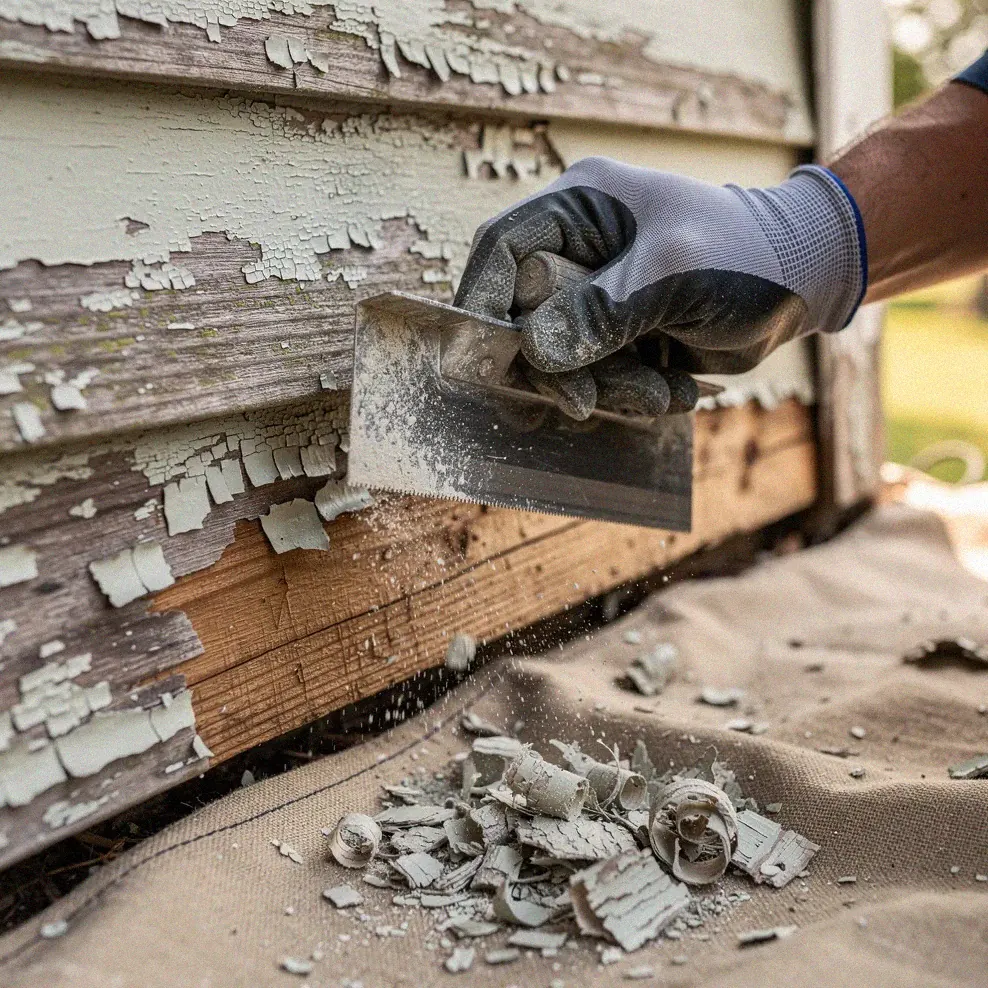
A proper exterior repaint is mostly prep work, not paint. The difference between a job that holds up for eight to ten years and one that starts peeling within three usually comes down to what happens before the first coat goes on:
- Pressure washing to strip mildew, dirt, and loose or chalking paint before any prep begins (see our power washing page for what that step involves on its own)
- Scraping and sanding failing paint down to a sound surface, not just painting over it
- Wood repair or replacement where rot has set in, common around window sills and fascia boards on older Berkeley homes
- Caulking gaps at trim, window frames, and siding joints to block moisture before it gets behind the paint
- Spot-priming bare wood and repaired areas with a bonding primer
- Two full finish coats, with trim and detail work brushed and rolled by hand rather than sprayed and left
- A cleanup pass: drop cloths gone, overspray checked, the yard and walkways left the way they were found
Skip any one of these steps and the paint can still look fine on the day the crew leaves. It just won't still look that way in three years.
Berkeley's Architecture Changes How a House Gets Painted
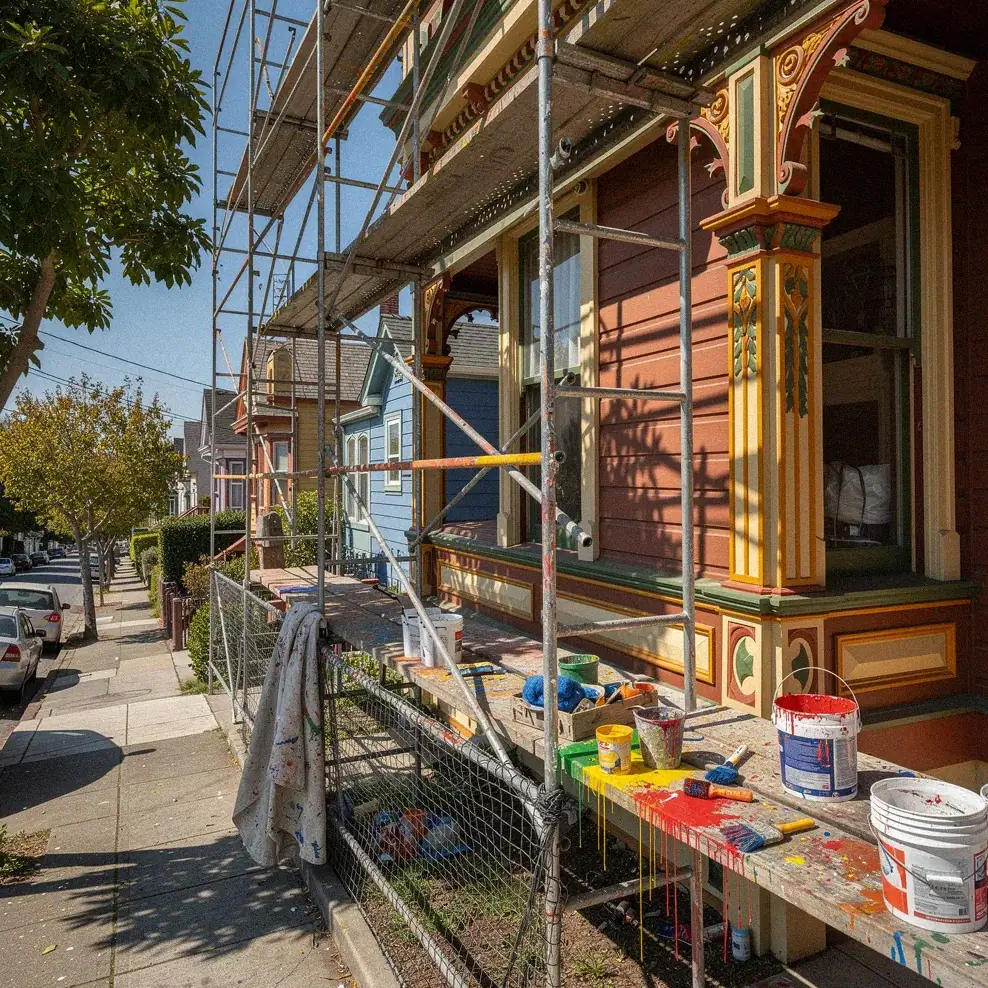
A painter who only works on modern stucco tract homes will make mistakes on Berkeley's older housing stock, because the materials and detailing are different in ways that matter once paint, or in some cases stain, goes on.
Brown-Shingle Homes
Berkeley's brown-shingle homes, common in North Berkeley and the hills, were built with redwood shingles meant to weather naturally rather than take a heavy paint film. Many owners choose a semi-transparent stain rather than solid paint on the shingles themselves, so the wood grain still shows through, while trim, window casings, and porch details get a solid color. Sealing the shingles too heavily traps moisture behind the wood instead of letting it breathe, which shortens the life of the whole system.
Craftsman Bungalows
Craftsman bungalows lean on exposed rafter tails, wide trim boards, and a body, trim, and accent color scheme meant to highlight the horizontal lines of the house rather than fight them. Getting the color-blocking right, especially where trim meets shingle or siding, takes more careful cutting-in than a single-color repaint. It's also where a lot of the wood repair work in Berkeley shows up: exposed rafter tails and eave details take direct weather exposure for a century straight.
Victorian and Edwardian Homes
Victorian and Edwardian cottages carry the most detailed millwork in Berkeley: gingerbread trim, multiple accent colors, and turned porch posts that all need fine brushwork rather than a sprayer pointed at the wall. These homes are also among the most likely in the city to still have several layers of pre-1978 lead paint underneath the current coat, which raises the stakes on how that old paint gets removed.
For a full breakdown of what each architectural style needs from a painter, see our guide to painting Berkeley's Craftsman, Victorian, and brown-shingle homes.
Fog, Sun, and Salt Air: How Berkeley's Climate Affects Exterior Paint
Berkeley sits across two distinct microclimates, sometimes within the same zip code. The Berkeley Hills and areas close to the Bay get heavy marine fog for a good stretch of the year, which keeps painted surfaces damp longer and creates real mildew risk on north-facing walls and anything shaded by mature trees. The flatlands and areas farther from the water run hotter and sunnier, and paint there tends to fail from UV breakdown and chalking rather than moisture.
Both conditions call for different choices in the paint system, not just the color. Fog-belt homes need a mildew-resistant primer and topcoat, especially on north- and east-facing walls that never fully dry out between storms. Sun-exposed flatland homes need a topcoat rated for UV resistance so the finish doesn't fade or chalk within a few years. A painter working from one all-purpose spec on every Berkeley job, regardless of which side of the fog line the house sits on, is cutting a corner that shows up early.
Weather timing matters too. Paint needs a real window of dry, moderate-temperature days to cure properly, and hillside homes with heavier fog exposure often need a longer stretch of clear weather than flatland homes a mile away. That's part of why repaint frequency varies more in Berkeley than in a climate-uniform city; see our guide on how often to repaint a house exterior for specifics.
Lead Paint and Pre-1978 Berkeley Homes
A large share of Berkeley's housing predates the 1978 federal ban on residential lead paint, including most of the brown-shingle, Craftsman, and Victorian homes covered above. That matters because scraping, sanding, or heat-stripping old paint on these homes can release lead dust into the yard, the gutters, and the house itself if the work isn't contained properly.
The EPA's Renovation, Repair, and Painting (RRP) rule requires lead-safe certified firms for this kind of work on pre-1978 homes. In practice, that means plastic sheeting to contain the work area, wet-sanding or HEPA-vacuum-attached tools instead of dry sanding, and proper bagging and disposal of paint chips and debris rather than sweeping them into a yard or storm drain. It's a slower process than an uncontained scrape-and-paint job, and it should be.
When you're hiring for exterior work on an older Berkeley home, ask specifically whether the company is EPA Lead-Safe certified, not just licensed and insured. Licensing covers the contracting work; lead-safe certification covers this specific hazard. See our guide to lead-safe painting for Berkeley's older homes and our page on what EPA Lead-Safe certification covers for more detail.
Signs Your Berkeley Home Needs Exterior Painting
Some of these are obvious from the curb. Others take a closer look:
- Chalking: a powdery residue that rubs off on your hand when you touch the siding
- Peeling or bubbling paint, especially around window sills and anywhere water tends to collect
- Cracked or missing caulk lines at trim joints and window frames
- Bare wood exposed on fascia boards, window trim, or siding edges
- Color that's faded a full shade lighter than it was when the house was last painted
- Mildew staining, usually on shaded or north-facing walls, that doesn't come off with a hose
Any one of these on its own isn't an emergency. Several at once, or bare wood anywhere, means the clock is running on more expensive repair work underneath.
What to Look for When Hiring a Berkeley Exterior Painter
Not every painting company serving Berkeley is built for this kind of work. A contractor with real experience on the city's brown-shingle, Craftsman, and Victorian homes should be able to speak specifically to how they handle wood repair, color-blocking on detailed trim, and the paint-versus-stain decision on original shingle siding, not just quote a price per square foot over the phone.
At minimum, confirm any contractor you're considering holds a valid California C-33 Painting and Decorating contractor license (worth checking yourself on the CSLB license database before hiring anyone), carries bonding and general liability insurance, and holds EPA Lead-Safe certification if your home predates 1978. Ask how long the company has worked in Berkeley specifically, how much combined crew experience they bring to a job, and what warranty they stand behind, since both experience level and warranty terms vary widely between companies in this market. Compare Berkeley exterior painters before signing off on any single estimate.
FAQ: Exterior Painting in Berkeley, CA
How much does exterior painting cost in Berkeley, CA?
Exterior repaint costs in Berkeley depend on square footage, the number of stories, how much wood repair and surface prep the home needs, and whether lead-safe containment applies to a pre-1978 house. For real cost ranges by project size, see our Berkeley house painting cost guide. The only way to get a firm number for your specific home is a written, in-person estimate.
How often should I repaint the exterior of my Berkeley home?
Most Berkeley homes need a full exterior repaint every seven to ten years, though homes in foggy hillside microclimates with more moisture exposure often need attention sooner than flatland homes in full sun. See our guide on repaint timing for what affects that range on your specific home.
What's the best time of year to paint a house exterior in Berkeley?
Late spring through early fall is generally the safest window for Berkeley exteriors, after the wettest fog months ease and before winter rain returns. Even then, hillside homes with heavier fog exposure need a dry stretch of consecutive days for paint to cure properly, which is one more reason local scheduling experience matters more than a generic "paint in summer" rule.
Do I need a permit to paint my house exterior in Berkeley?
Routine repainting in the same color and finish generally doesn't require a permit in Berkeley. A permit can come into play if the project involves structural repair, siding replacement, or a color change on a designated historic property. Check with your painting contractor and the city's planning department before work begins if your home has any historic designation.
Is lead paint a concern when repainting an older Berkeley home?
Yes, for any home built before 1978. Scraping or sanding old paint on these homes without lead-safe containment can spread lead dust into the yard and inside the house. Confirm your painter is EPA Lead-Safe (RRP) certified before work starts, not just licensed. See our lead-safe painting guide for what proper containment looks like.
How long does a full exterior repaint take?
A typical single-family home in Berkeley takes three to seven working days from pressure washing through the final coat, depending on square footage, the amount of wood repair needed, and weather. Larger homes, heavy trim detail on a Victorian, or lead-safe containment on a pre-1978 house can extend that timeline.
Get a Written Estimate Before Your Next Repaint
A phone quote based on square footage alone tells you almost nothing about what your specific home needs. Ask any painter you're considering to walk the property, note the prep and repair work up front, and put the scope in writing before anything is signed. For Berkeley homes specifically, ask whether lead-safe containment applies, what primer and topcoat system they're specifying for your home's exposure, and how the estimate breaks down between labor, material, and repair. A written, itemized estimate is the fastest way to tell a serious contractor from a rough guess.