Deck Painting vs. Staining: Which Is Right for Your Deck?
Staining is the better fit for most Berkeley decks, since it lets the wood breathe through the fog-belt moisture that rolls off the hills and keeps a redwood or cedar deck's grain visible instead of covering it with a solid color. Painting still has its place: an older deck with damaged, patched, or mismatched boards often looks better and holds up longer under a solid coat of paint than under a stain that has nothing consistent to soak into. The right call depends on the deck's current condition, the wood underneath, and how much upkeep you want to take on every few years. Here's a full breakdown of both finishes so you can match the choice to your actual deck instead of a generic answer.
Deck Paint: Pros and Cons
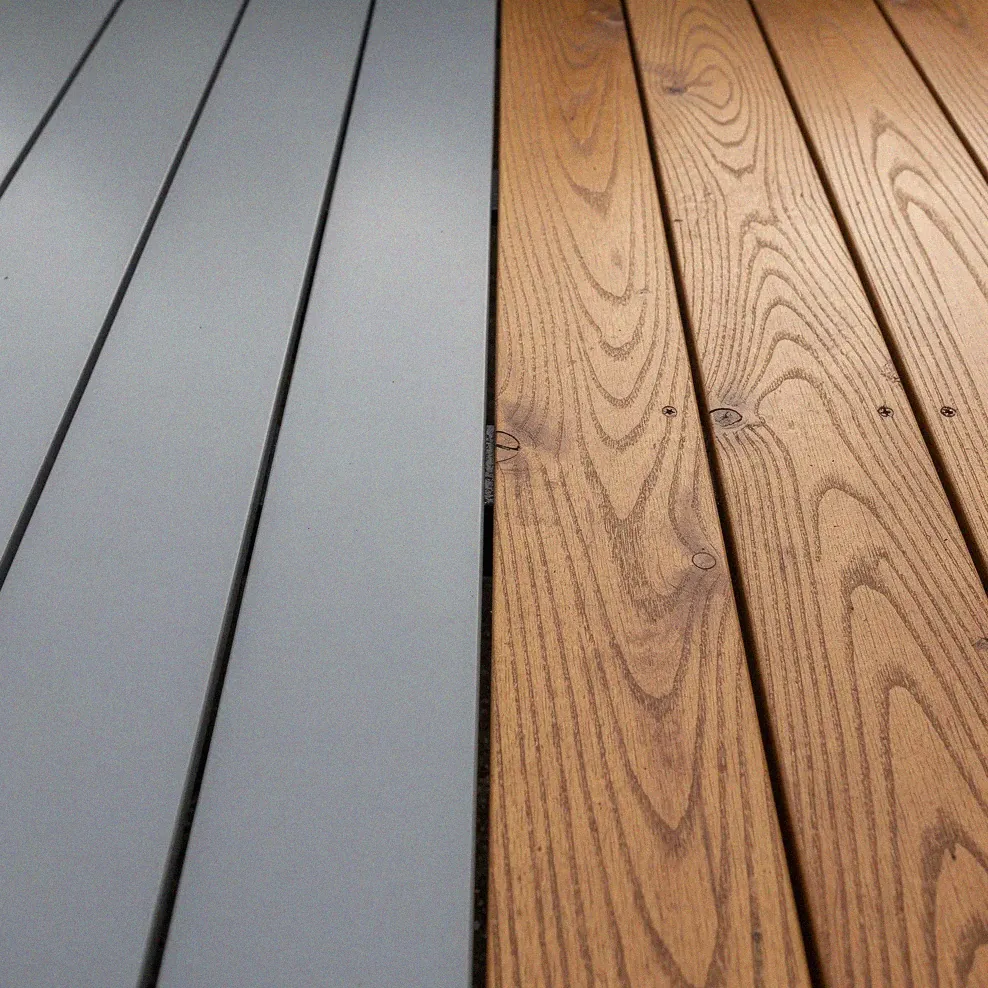
Paint sits on top of the wood instead of soaking into it, and that changes what it's good at and where it falls short.
Paint's strengths:
- Comes in any color, not just wood tones, so it can match trim or siding exactly
- Blocks UV rays completely, which slows fading more than a lighter stain does
- Hides scratches, old repairs, and mismatched boards, since the color sits on the surface rather than showing what's underneath
Paint's drawbacks:
- Peels and chips once moisture works its way underneath the film, a common failure point on horizontal deck boards where water pools instead of running off
- Traps moisture inside the wood rather than letting it escape, which can let rot progress underneath a paint layer that still looks fine from above
- Harder to touch up. A peeling section usually means scraping and sanding the whole area back to bare wood, not just patching the spot that failed
Deck Stain: Pros and Cons
Stain works differently. It soaks into the wood fibers instead of forming a surface film, and that changes the tradeoffs in the other direction.
Stain's strengths:
- Shows the wood grain, so a good redwood or cedar deck still reads as wood instead of as a painted plank
- Lets the wood breathe, since stain doesn't seal the surface the way paint does, so moisture that gets in can still evaporate back out
- Easier to maintain over time. A recoat usually means cleaning the surface and applying a fresh coat, not stripping the deck down first
Stain's drawbacks:
- Comes in a narrower color range, since you're working with wood tones rather than the full paint spectrum
- Needs more frequent reapplication than paint, since UV exposure and foot traffic wear through a stain's protection faster than they wear through a paint film
When to Choose Paint
Paint tends to be the right call when the wood itself is the problem, not just the finish. If boards have been patched with mismatched replacement lumber over the years, or the surface has enough damage that a clear or semi-transparent stain would only draw attention to it, a solid coat of paint hides those inconsistencies in a way stain can't. Paint also makes sense when you want a specific color rather than a wood tone, particularly on railings and trim, where a crisp white or a color matched to the house's exterior often looks more finished than a stained rail against painted siding.
When to Choose Stain
Stain is usually the better choice on newer wood, especially redwood or cedar, both common across Berkeley decks and both prized for a grain and color that stain is built to show off rather than hide. If the deck is structurally sound and the wood underneath still looks good beneath old weathering, staining protects it without covering up what made it worth building with that material in the first place. Anyone who wants a deck to read as a natural extension of the yard, rather than as another painted surface, gets more of that look from a stain.
Why Berkeley's Fog Changes the Math
Berkeley's marine layer adds a factor that doesn't show up in generic painting-versus-staining advice written for drier climates. Fog settles into hillside yards and shaded lots for months at a stretch, and that moisture needs somewhere to go once it's in the wood. A stained deck lets moisture evaporate back out through the same open grain that let it in. A painted deck, especially on the horizontal surfaces of a deck floor where water sits instead of running off the way it would on a wall or fence, can trap that moisture underneath the paint film. Over time, trapped moisture rots the wood from the inside while the painted surface still looks intact, which is why stain is the more common recommendation for deck floors specifically, even on decks where the railings or trim end up painted for a color match.
How Often Each Finish Needs Attention
The two finishes ask for attention on different schedules. A stained deck typically needs a fresh coat every two to three years, since sun and weather wear through the stain's protection faster than they wear through paint. A painted deck can go four to six years before it needs a full recoat, which sounds like the lower-maintenance option until the paint actually starts to peel. At that point, the fix isn't a quick recoat: peeling paint has to be scraped and sanded back to bare wood, or the new coat won't hold either, which turns routine maintenance into a full strip-and-repaint job. A stain's more frequent recoat is also the simpler one to live with: clean the surface, apply the new coat, done.
Get a Written Estimate Before You Decide
A deck staining contractor who has worked on both Berkeley Hills fog-belt decks and sunnier flats decks can tell you which finish fits your deck after seeing the wood and its exposure firsthand. The same crew handling your deck can often fold that work into a broader exterior painting project if your house is due for a repaint too, since how often a house needs repainting tracks many of the same sun and moisture factors that drive a deck's finish schedule. Ask for a written estimate that names the exact paint or stain product, the prep work included, and how the recommendation accounts for your deck's specific sun or fog exposure.
Frequently Asked Questions
Is deck stain or deck paint better for a Berkeley deck?
Stain is the better default for most Berkeley decks, particularly redwood and cedar decks in foggy or shaded yards, since it lets the wood breathe through seasonal moisture instead of trapping it under a sealed film. Paint makes more sense on an older deck with damaged or mismatched boards where a solid color hides problems a stain would expose, or on railings and trim where you want a specific color rather than a wood tone.
Can I paint over an old stained deck, or stain over an old painted deck?
Painting over a stained deck is usually fine once the surface is cleaned and lightly sanded so the paint has something to grip. Going the other direction doesn't work the same way: stain needs to soak into bare wood, so a previously painted deck has to be fully stripped back to raw lumber before staining, since stain can't penetrate through an existing paint layer.
How much more maintenance does a stained deck need compared to a painted one?
A stained deck typically needs recoating every two to three years, compared to four to six years for paint. Paint's longer interval looks like the lower-maintenance option on paper, but a failing paint job requires scraping and sanding back to bare wood before it can be redone, while a stain recoat is usually just a clean and reapply. Over the life of a deck, the two schedules end up closer in total upkeep than the interval numbers alone suggest.