Painting Rental & Multi-Unit Properties in Berkeley
Berkeley has one of the highest renter populations of any city its size in the country, and a large share of that housing sits in older duplexes, fourplexes, and small apartment buildings built well before 1978. Painting one of these properties is a different job than painting an owner-occupied home. A landlord or property manager is weighing turnaround time against a leasing calendar, coordinating access across units that may still be occupied, and working inside rules the Berkeley Rent Board and federal lead-paint law both have a say in. This guide covers what changes when the customer is a rental property rather than a single homeowner: how to decide between a touch-up and a full repaint, how to schedule work across an occupied building, and what Berkeley's rent-stabilized housing stock means for keeping paint condition where it needs to be.
What Property Managers Need That Homeowners Don't
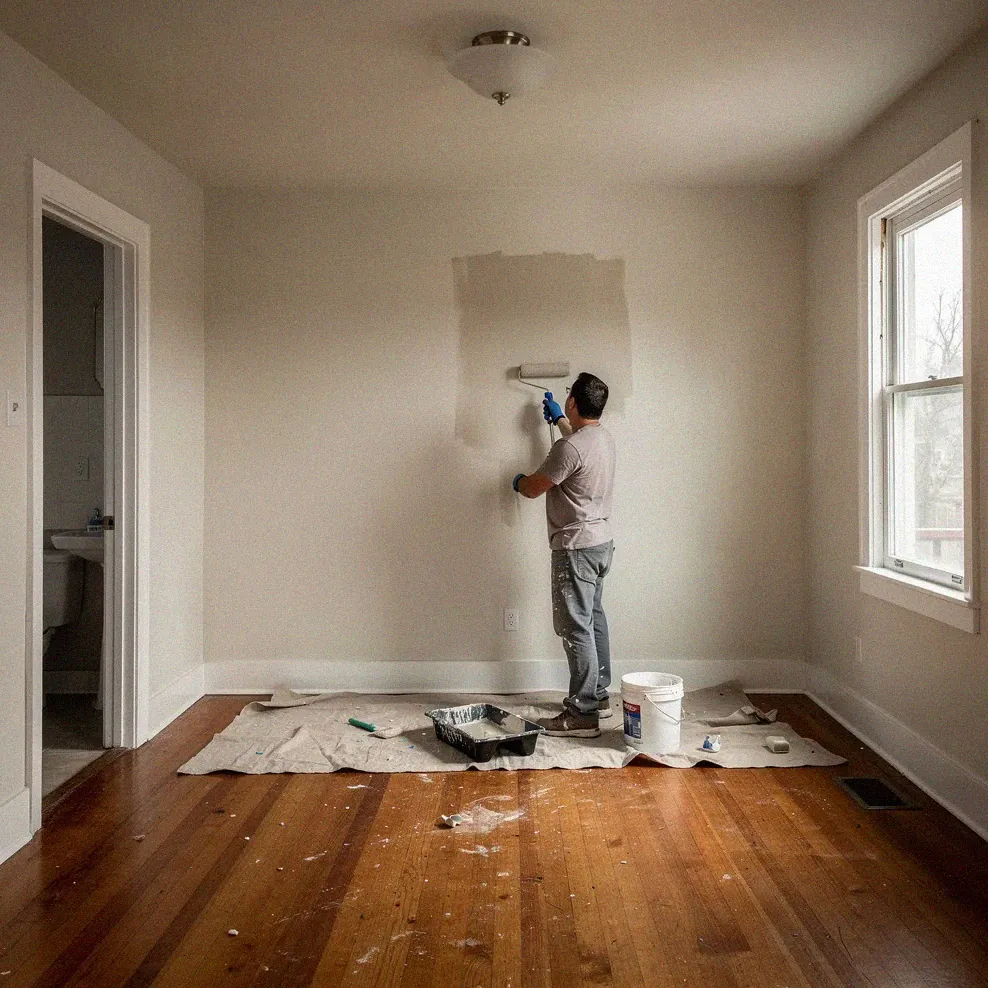
A homeowner picking a color for a living room can spend weeks testing sample boards before committing. A property manager repainting a vacated unit doesn't have that kind of time, and the priorities look different because of it. Durability comes first: a rental unit's walls take more wear between tenancies than an owner-occupied home sees in years, so painters working turnovers default to a washable, scuff-resistant finish, usually satin or eggshell, rather than the flat paint that shows every mark within a few months. Color choice follows a different logic too. A neutral palette, off-white, light gray, or a soft greige, re-rents faster and photographs better for listing photos than a bold accent wall the next tenant would just want painted over. Speed is the third piece: every day a unit sits empty for painting is a day of lost rent, so a painter used to rental work quotes and schedules around a leasing deadline much the way a contractor working a live business has to plan around operating hours instead of a flexible homeowner's calendar.
Turnover Painting: Touch-Up or Full Repaint?
The most common decision on a rental turnover is whether a unit needs a full repaint or just touch-up work at scuffs, nail holes, and worn corners. A short tenancy with light wear, especially on walls painted within the last couple of years, often only needs spot touch-ups and a wipe-down, as long as the touch-up paint matches the original sheen and color closely enough not to flash under different light. A longer tenancy, visible smoke or cooking residue, marker or crayon on the walls, or more than a few years since the last full coat usually points toward a complete repaint, since patchy touch-ups on aged paint tend to look worse than redoing the whole room. Many property managers save money over time by setting a standard repaint cycle instead of deciding unit by unit, often every two to three turnovers or every five to seven years, whichever comes first.
Coordinating Work Across Occupied and Vacant Units
A single-family repaint has one household to work around. A multi-unit building has several, and they're rarely all moving out at once. Painters experienced with occupied buildings schedule noisy or disruptive work, sanding, pressure washing, scaffolding setup, for daytime hours and give residents real advance notice instead of showing up unannounced. Access is its own puzzle: exterior work on a building with several units usually means coordinating ladder and scaffold placement around parked cars and shared walkways, and checking which tenants would rather keep their windows closed while fumes are in the air. Vacant-unit interior work is more flexible, but a contractor managing both should sequence the job so occupied-unit disruption stays short, laying out a clear unit-by-unit timeline rather than a single vague completion date.
Rent Control, Habitability, and Paint Condition
Most of Berkeley's older rental housing falls under the city's Rent Stabilization Ordinance, administered by the Berkeley Rent Board, which regulates rent increases and eviction protections for a large share of units in the city. Rent control doesn't set a paint schedule directly, but California's habitability rules require landlords to keep a rental unit safe and functional, and severely peeling, cracked, or flaking paint can cross the line from cosmetic wear into a maintenance issue, especially where it exposes bare wood or creates a moisture problem. Tenants can raise a habitability complaint with the city if maintenance, paint condition included, falls below that standard. Staying ahead of visible deterioration with a planned repaint cycle costs less than responding to a complaint after the fact, in almost every case.
Lead Paint Rules for Pre-1978 Berkeley Rentals
Berkeley's rental housing stock runs older than most California cities, and a large share of it predates the 1978 federal ban on residential lead-based paint. Any landlord renting out a pre-1978 unit has to disclose known lead-based paint hazards to tenants, provide the EPA's lead hazard information pamphlet, and include specific lead-warning language in the lease before a tenant signs, whether or not a repaint is planned. Painting itself brings a second requirement into play: the EPA's Renovation, Repair, and Painting rule requires any contractor disturbing more than a small area of paint on a pre-1978 property, through scraping, sanding, or heat, to be lead-safe certified and to follow containment and cleanup procedures, on occupied and vacant units alike. Confirm a painter's RRP certification before work starts on one of these buildings, not after.
Common Areas, HOA Exteriors, and Bulk Pricing
Multi-unit buildings usually have shared interior spaces, hallways, stairwells, entry lobbies, that see more foot traffic in a month than a single-family living room sees in a year, and it shows up in scuffed baseboards and worn trim faster than owner-occupied space wears down. Common areas call for the same durability standard our interior painting guidance covers for individual units, just applied at a higher level: washable finishes throughout, more forgiving colors near handrails and door frames, and a repaint cycle set by traffic rather than by the calendar alone.
Exterior work on a condo building usually runs through an HOA board rather than a single owner, which means a color change needs architectural approval before a contractor picks up a brush, and a bid broken out by building section and surface type is easier for a board to defend to owners than one lump-sum number. Our commercial painting page covers how that kind of bid and scheduling process works in more depth.
Owning or managing several units brings its own pricing advantage. A painter quoting five units in one building, or a standing maintenance arrangement covering annual touch-ups and a partial repaint on a set schedule, can usually offer a better per-unit rate than five separate jobs booked months apart. For an owner with multiple properties, asking about a recurring maintenance contract instead of calling for every individual turnover is usually the more affordable long-term approach.
Get a Bid Built for Your Rental or Multi-Unit Property
An experienced Berkeley painting contractor who has handled turnover, common-area, and exterior work on rental and multi-unit properties, and holds the EPA lead-safe certification that pre-1978 rental work requires, is worth prioritizing over a painter who mainly works single-family homes. For a broader look at hiring a painter anywhere in the city, our Berkeley house painting guide covers licensing, neighborhoods, and what to check before you sign a bid.
Frequently Asked Questions
Do I need to repaint a rental unit between every tenant?
Not always. A unit with light wear from a short tenancy, especially one painted within the last couple of years, often only needs touch-ups at scuffs and nail holes rather than a full repaint. Longer tenancies, visible smoke or cooking residue, or several years since the last full coat usually call for a complete repaint, since patchy touch-ups on aged paint tend to stand out more than they blend in.
Who is responsible for lead paint disclosure in a Berkeley rental?
The landlord. Federal law requires owners of pre-1978 rental housing to disclose known lead-based paint hazards to tenants, provide the EPA's lead hazard pamphlet, and include specific lead-warning language in the lease before signing, regardless of whether a repaint is planned. If painting work will disturb existing paint on one of these units, the contractor doing the work also needs EPA lead-safe (RRP) certification.
How much does painting a multi-unit rental property cost in Berkeley?
Cost depends heavily on the number of units, whether the work covers interiors, exteriors, or common areas, and the building's condition. Owners painting multiple units in one property, or setting up a recurring maintenance schedule, typically get a better per-unit rate than booking single turnovers separately. Ask for a bid broken out by unit or building section rather than one combined number, especially for HOA-governed exterior work that needs board approval.