How to Choose a Painting Contractor in Berkeley, CA
Choosing a painting contractor in Berkeley comes down to five things you can verify before you sign anything: a valid license, proof of insurance, a written estimate that itemizes the job, a contract that spells out warranty and payment terms, and, for most homes in this city, EPA lead-safe certification. Run through those checks before you get attached to a price, and the risky bids filter themselves out early. The rest of this guide covers where to actually find candidates, the signs that should end a conversation fast, how to compare estimates that don't look alike on the surface, what belongs in the contract, and the two requirements specific to Berkeley that a generic hiring checklist won't mention.
Where to Start Looking
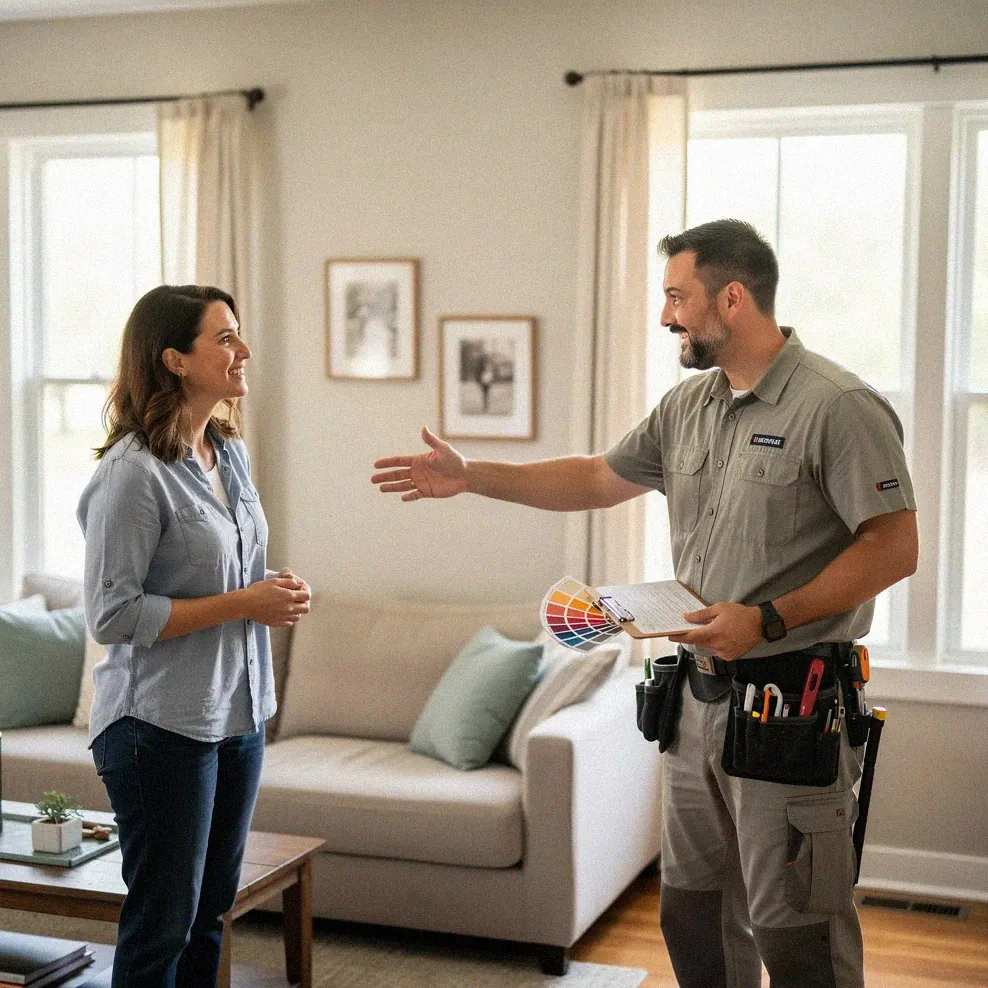
A referral from a neighbor or friend who's had recent work done carries more weight than any online rating, since you can walk over and see the finished job yourself. Beyond referrals, Berkeley homeowners typically pull names from three places: a business's Google listing and reviews, Yelp, and Nextdoor, where local painters often come up by name in neighborhood threads. Directories built around verified local businesses, like this site, exist because a generic marketplace platform tends to surface a match by geography and ad spend, not by license status or real Berkeley experience. Wherever a name comes from, treat it as a starting point rather than a decision. A high star count on any of these platforms is worth a look, but it isn't proof on its own; our guide to what actually separates the best painters near you breaks down what to check beyond the rating itself. The checks below apply the same way to a neighbor's recommendation as they do to a name pulled off a search.
Red Flags That Should End the Conversation
A few signs should stop things before you get any further into a bid: a painter who won't give you a license number on request, who has no proof of general liability insurance, who asks to be paid cash-only, or who wants to start work on a verbal agreement instead of a written contract. Add a fifth flag specific to Berkeley: a contractor working on a pre-1978 home who can't produce EPA lead-safe certification. None of these are minor oversights. A contractor confident in their own standing hands over a license number and an insurance certificate without hesitation, because both are documents they should already have ready.
Green Flags Worth Paying Attention To
On the other side, a few signs suggest a painter is worth moving forward with. A written estimate that breaks the job into specific line items rather than one lump number is a good start. So is responsive, specific communication, meaning the contractor actually answers the questions you asked instead of sending a form-letter reply. Photos of past jobsites that show taped edges, covered fixtures, and clean drop-cloth work tell you more about a crew's habits than any star rating. A contractor who walks your property in person before quoting, rather than pricing from a phone call or a photo, is already paying attention to the details that drive the real cost of the job.
Why Three Estimates Is the Right Number
One estimate gives you a number with no context for whether it's fair. Two estimates can disagree by a wide margin with no way to tell which one is realistic. Three estimates start to show the actual range for a job like yours, and make an outlier bid, high or low, obvious enough to ask about rather than just accept. Have all three painters walk the property in person, and ask each for the same itemized format (labor, materials, and prep broken out separately) so you're comparing like against like instead of guessing what's folded into a single total.
How to Read a Painting Estimate
A useful estimate lists surface prep, paint and material costs, and labor as separate line items, not one bundled figure. Pay close attention to how much time is set aside for prep work: scraping, sanding, patching, caulking, and priming. Older Berkeley homes with plaster walls or original wood siding usually need more prep than a newer build, and a bid that's noticeably cheaper than the others is often cheaper because it's skimping on prep, not because the crew works faster. "Prep work included" should mean the estimate names exactly what that covers, at minimum patching holes, sanding rough or peeling areas, and priming bare or repaired spots. If a bid doesn't spell out what's included under that phrase, ask before you compare it against anything else.
Verifying Credentials Before You Hire
Every one of these checks takes a few minutes and belongs in the process before a bid turns into a signed contract. Look up the contractor's license number on the CSLB's license search tool to confirm it's active, carries the C-33 painting classification, and has no history of suspension or discipline. If the job involves a home built before 1978, check the contractor against the EPA's Lead-Based Paint Professional Locator rather than taking their word for lead-safe certification. Beyond licensing, a quick look at Better Business Bureau and Yelp profiles shows whether complaints exist and, more usefully, how the company responded to them. Our licensing and insurance guide covers exactly what each credential is meant to protect you against.
What Belongs in the Contract
A painting contract should name the full scope of work (every surface, room, or exterior elevation being painted), a payment schedule, warranty terms in writing with a specific length attached, and a defined process for handling change orders if something unexpected turns up once work starts, like rot behind old siding or plaster damage hiding under a layer of old paint. Avoid any contract asking for full payment upfront; a deposit tied to material costs is standard practice, with the remaining balance due on completion or split across milestones tied to specific stages of the job. If warranty terms aren't written into the contract itself, they aren't something you can hold anyone to later.
Two Things Berkeley Adds to the List
Two requirements matter here that a generic hiring guide won't mention. First, EPA lead-safe certification isn't optional for most homes in this city. Berkeley's housing stock is old enough that a majority of properties predate the 1978 federal cutoff for lead paint, and any contractor disturbing old paint on one of them without that certification is cutting a corner that can put lead dust into your home. Second, the city requires any contractor doing business within its limits to hold a Berkeley business license, separate from their state contractor license. Ask for both, not just the CSLB number.
What Clearing Every Check Looks Like in Practice
A contractor who clears every check above tends to look the same regardless of which company it is: a named owner or lead painter you can actually reach, a license number you can verify yourself on the CSLB database, current EPA lead-safe certification, and a written warranty running several years on exterior jobs and a shorter term on interior work. That combination, a real name behind the license, a verifiable credential, and warranty terms in writing, is exactly the checklist this guide walks through, not a coincidence. When a contractor's answers line up with all four, that's a strong signal you've found someone worth hiring.
Getting Your First Estimate
Once you've filtered a shortlist against the checks above, book walkthroughs with at least three painters and ask each one for the same itemized estimate format. Our guide to questions worth asking on that first call covers exactly what to say once a painter is standing in your driveway, and the full Berkeley painter directory lists every business on this site verified against the same standards covered here.
Frequently Asked Questions
How many estimates should I get before hiring a painting contractor?
Three is the number to aim for. One estimate gives you nothing to compare against, two can disagree without telling you which is realistic, and three starts to show the actual range for your job and flags any outlier bid worth questioning before you decide.
What's the biggest red flag when vetting a painting contractor?
A painter who won't provide a license number, has no proof of insurance, or asks for cash-only payment before starting work should be ruled out right away. Any one of these alone is reason enough to move to the next name on your list.
Do I need to verify a contractor's license myself?
Yes. Don't take a license number on faith. Look it up on the CSLB's free license search tool to confirm it's active, includes the C-33 painting classification, and has no history of disciplinary action before you sign anything.
Is lead-safe certification required to paint an older Berkeley home?
For most Berkeley homes, yes. A majority of the city's housing predates the 1978 federal cutoff for lead paint, and any contractor scraping, sanding, or otherwise disturbing old paint on one of these homes needs EPA lead-safe certification, not just a general contractor's license.