Drywall Repair in Berkeley, CA
Drywall repair in Berkeley covers cracked walls, nail pops, water stains, and plaster damage, the kind of prep work that decides whether a fresh coat of paint actually lasts. A repaint over an unpatched crack looks fine on day one and fails within a season, which is why drywall repair belongs at the front of the painting process rather than the end of it. For homeowners searching for drywall repair near Berkeley, the real question usually isn't just whether a wall can be patched. It's whether the patch will hold once it's painted, and that depends on getting the repair right the first time.
Why Drywall Repair Comes Before Every Paint Job
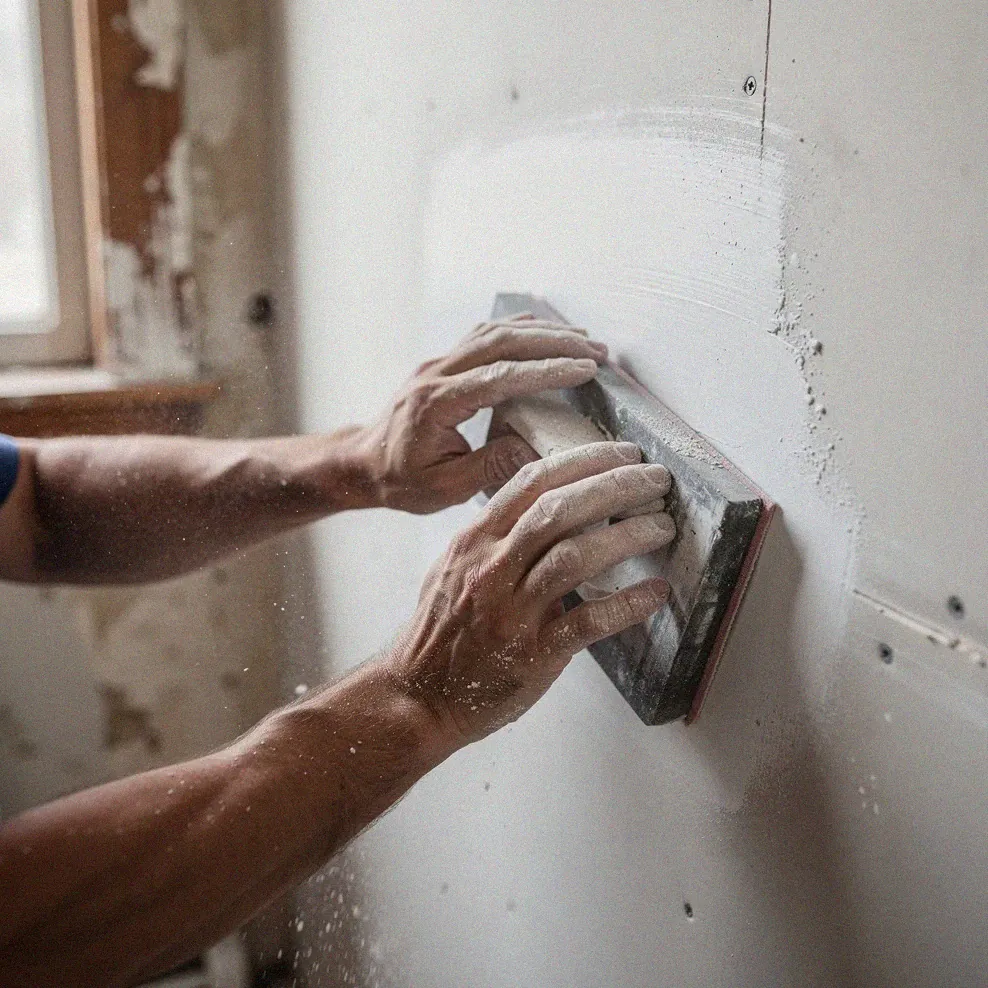
Paint is a finish, not a fix. It sits on the surface of the wall and shows every flaw underneath it: a hairline crack becomes a visible line once two coats go over it, and a poorly blended patch telegraphs through as a slightly different texture or sheen once the light hits it at an angle. That's why interior painting estimates in Berkeley routinely start with a walk-through for cracks, holes, water stains, and old patch jobs before color ever comes up. Skipping that step doesn't save time. It just moves the problem to after the paint is dry, when fixing it means repainting the same wall a second time.
Common Drywall Problems in Berkeley's Older Homes
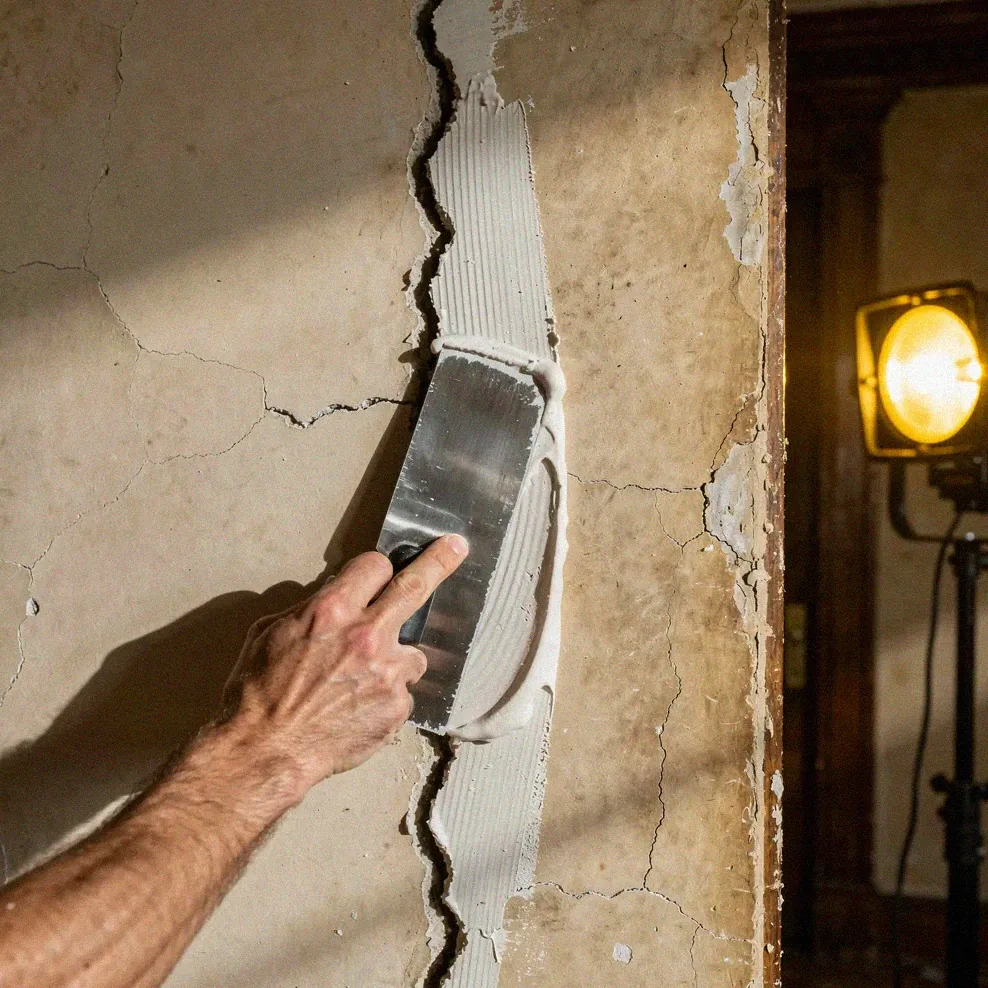
Berkeley's housing stock creates a specific set of drywall problems that a painter working in a newer subdivision rarely sees. Many Craftsman bungalows, brown-shingle homes, and Victorians built before the 1940s were finished with lath and plaster rather than drywall sheets, and that material cracks, cures, and repairs differently than modern gypsum board. A plaster patch mixed and troweled like drywall compound will usually crack again within a year, often along the same line, because the two materials expand and contract at different rates.
The East Bay's seismic activity adds another layer. Homes near the Hayward Fault, which runs through the Berkeley Hills, tend to develop hairline cracks around door frames, window corners, and ceiling joints as the house settles and shifts over time. These aren't usually structural, but they're cosmetic problems that need a repair method built to flex rather than a rigid patch that cracks again at the next minor tremor.
Then there's the fog. Berkeley's marine layer keeps humidity higher than most inland cities for months at a time, and older homes with less effective vapor barriers around windows and roof lines show it in the drywall: soft spots, brown staining, and bubbling paint near window sills and ceiling corners after a wet winter. Left alone, that moisture damage spreads and eventually needs more than a simple patch.
How Drywall Repair Works, Start to Finish
A drywall repair job in Berkeley typically follows the same sequence regardless of the size of the damage. First comes the assessment: is this a hairline crack, a nail pop, a hole from wall-mounted furniture, or water damage that's compromised the material underneath? That answer determines the method. Small cracks and nail pops usually get a flexible patching compound and mesh tape to keep them from reopening. Larger holes need a cut-in patch of new drywall, taped and floated to match the surrounding wall thickness. Plaster walls in older Berkeley homes often call for a different compound entirely, one that bonds to lime plaster instead of gypsum, so it moves with the wall instead of against it.
Once the patch is in, it takes two to three coats of joint compound, each sanded smooth after it dries, to blend the repair into the existing wall texture. Skipping a coat or rushing the drying time is the most common reason a patch shows through paint later. The last step is priming the repaired section, since bare compound and old paint absorb primer and finish coats at different rates. A wall primed unevenly will show a slight sheen difference once the topcoat goes on, even with a flawless patch underneath.
What Drywall Repair Costs in Berkeley
Drywall repair cost depends on more variables than most homeowners expect, which is why a flat number rarely tells the whole story. The size and number of repairs matter most: a single nail pop costs far less to fix than a wall with a dozen cracks spread across multiple rooms. Wall material matters too, since plaster repair on an older Berkeley Craftsman or Victorian generally takes longer and costs more than a comparable drywall patch, because the compound, the technique, and the drying time all differ. Water-damaged sections that need the material cut out and replaced cost more than surface cracks that only need compound and sanding.
Bundling drywall repair with an interior repaint is usually the more efficient path financially, since the crew is already on-site with drop cloths down and paint colors selected. The full breakdown of Berkeley painting costs covers how prep work like drywall repair factors into an overall painting estimate. Getting a written estimate that itemizes the repair work separately from the paint job is the clearest way to see exactly what you're paying for.
Pairing Repair Work with Your Painter
Most Berkeley homeowners don't hire a drywall repair contractor and a painter separately. It's more common, and usually less expensive, to have one crew handle both, since the person doing the patching is also the person who has to paint over it and match the surrounding texture. Many Berkeley painting contractors build drywall repair into interior estimates as a standard line item rather than a separate add-on, which is the same approach worth asking about with any contractor before signing off on a job.
Get a Written Estimate Before You Patch or Paint
A drywall repair that's rushed or mismatched to the wall material costs more in the long run than doing it right the first time, especially on Berkeley's older plaster homes. Ask any contractor for a written estimate that separates the repair scope from the paint scope, confirms which patching method they'll use on your wall type, and includes a timeline for drying and curing before the topcoat goes on. That standard holds up whether you're patching one nail hole or getting an entire room ready to repaint.
Frequently Asked Questions
Do I need to repair drywall before painting, or can a painter just paint over small cracks?
Paint doesn't fix structural or surface flaws, it highlights them. A crack painted over without being patched first will usually show through within a few months as the wall continues to shift slightly. Any crack, hole, or water stain should be repaired and primed before the finish coat goes on.
Can drywall repair match old plaster walls in a Craftsman or Victorian home?
Yes, but it requires a different compound and technique than standard drywall patching. Lime-based plaster expands and contracts differently than gypsum board, so a contractor experienced with Berkeley's older housing stock will use a plaster-compatible compound that bonds and flexes with the original wall instead of cracking along the same line again.
How much does drywall repair cost in Berkeley?
Cost depends on the size and number of repairs, the wall material (plaster generally costs more than standard drywall), and whether the damage involves water intrusion that requires cutting out and replacing material. Bundling repair work with an interior paint job is usually the more efficient option since the same crew handles both. A written estimate that itemizes the repair separately from the paint job is the clearest way to see the real cost.
How long does drywall repair take before the wall is ready to paint?
A basic patch typically needs two to three coats of compound, each requiring a full drying period before sanding and the next coat, followed by a coat of primer. Small repairs can be paint-ready within a day or two. Larger repairs, water damage, or plaster work usually take longer, since rushing the drying time is the most common reason a patch shows through the finish coat later.