How Often Should You Repaint Your House Exterior in Berkeley, CA?
Most exterior paint jobs need a full repaint somewhere between five and twenty years, and the honest answer for a specific Berkeley home depends almost entirely on siding material and which side of the city's climate line the house sits on. A stucco flat in the sunny lowlands and a wood-shingle bungalow in the fog-belt hills can age at very different rates even if both got painted the same summer. This guide breaks down the real ranges by siding type, the Berkeley-specific factors that shorten them, and the signs that tell you it's time before the damage underneath gets expensive.
Exterior Repaint Timelines by Siding Material
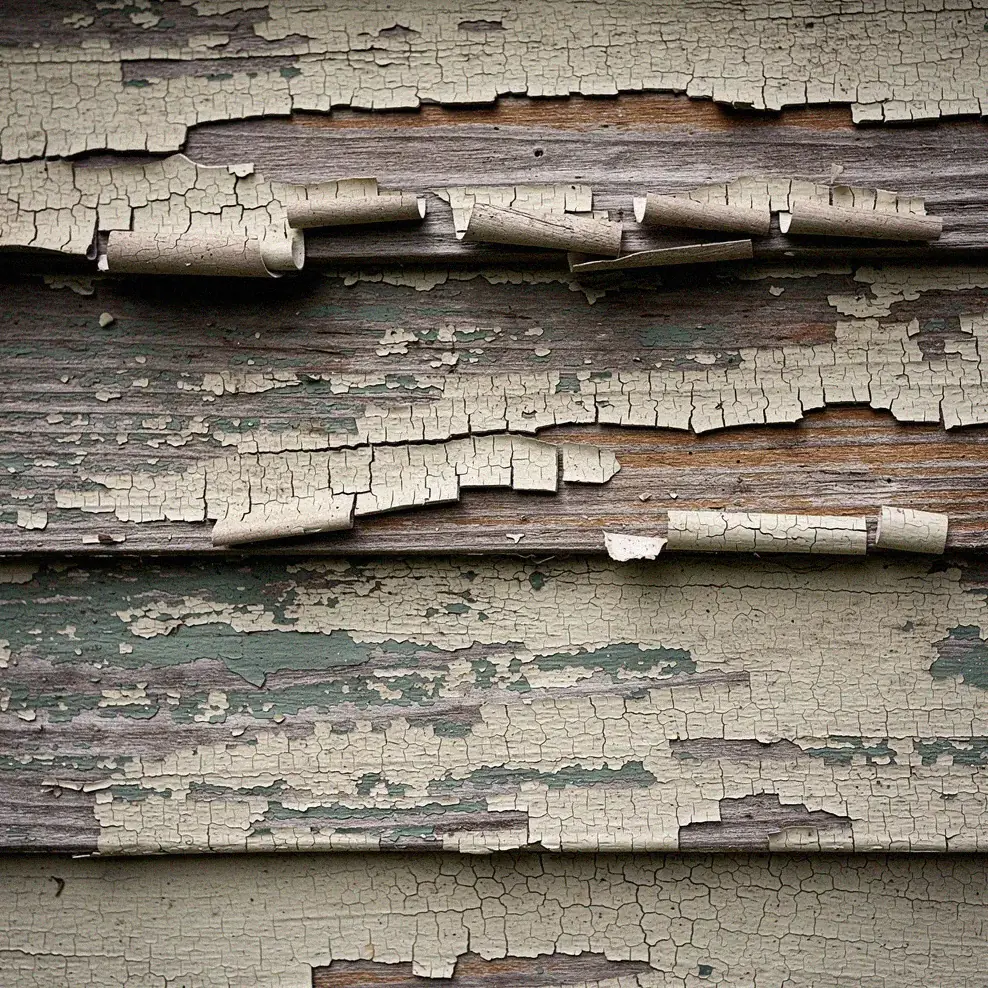
Paint life varies more by substrate than by almost any other single factor. Here's what to expect from the siding types most common on Berkeley homes:
| Siding Material | Typical Repaint Interval |
|---|---|
| Wood siding and shingle | 5 to 7 years |
| Stucco | 5 to 6 years |
| Fiber cement | 12 to 15 years |
| Aluminum siding | 5 years or more |
| Brick (painted) | 15 to 20 years |
Wood and stucco sit at the fast end because both surfaces expand, contract, and absorb moisture more than the alternatives, stressing the paint film with every temperature swing and rainy season. Fiber cement and painted brick hold paint far longer because the substrate barely moves, so the coating isn't fighting a shifting surface underneath it. Aluminum falls in between: the metal doesn't move, but it doesn't hold adhesion as well as porous wood, so even a well-prepped aluminum-sided home needs attention again after about five years.
Why Berkeley Homes Often Wear Faster Than These Ranges Suggest
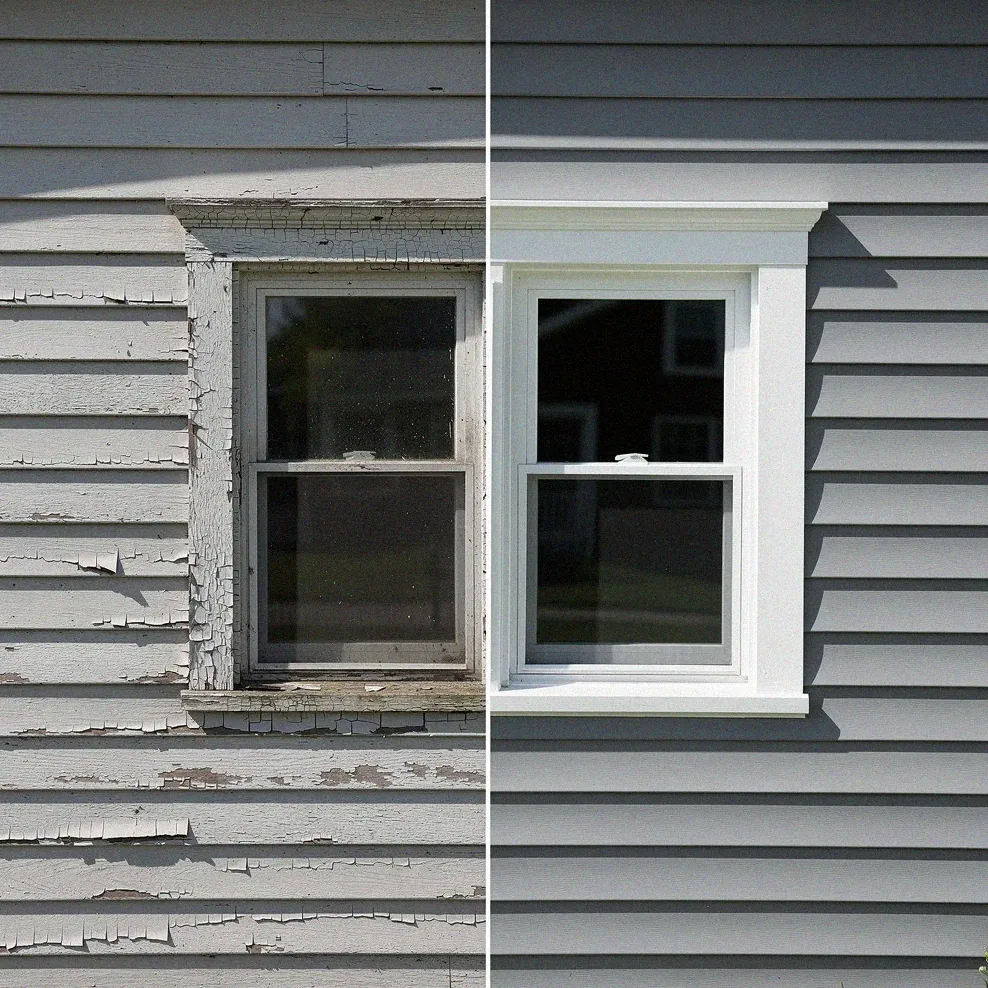
These ranges are national averages, and Berkeley's climate and housing stock push a lot of homes toward the shorter end of every one of them.
Marine fog rolls into the Berkeley Hills and other close-to-the-bay neighborhoods for months at a stretch, keeping painted surfaces damp long after the fog clears. North-facing walls and anything shaded by mature trees stay wet long enough to encourage mildew growth and adhesion failure years before a sun-exposed wall on the same block shows trouble. South-facing walls in the sunnier flatlands take the opposite punishment: steady UV exposure that breaks down pigment and binder faster than the paint's label admits, leading to chalking and fading well ahead of schedule.
Mature oaks and eucalyptus common across Berkeley's older neighborhoods add a third factor, dripping sap and moisture onto the roofs and siding below their canopy and aging those spots faster than the rest of the house. And because so much of Berkeley's housing predates 1978, the wood siding under the current coat is often original material that's already been through decades of paint layers and moisture cycles, holding paint less predictably than fresh lumber.
Signs It's Time to Repaint, Not Just Touch Up
A couple of these on their own aren't an emergency, but several at once, or bare wood anywhere, means the clock has run out on this coat:
- Chalking, a powdery residue that rubs off on your hand when you touch the siding, usually the first sign of UV breakdown on sun-exposed walls
- Fading a full shade lighter than the original color, most noticeable against a protected area like behind a shutter or trim board
- Cracking, fine lines in the paint film that widen over time and let moisture behind the coating
- Peeling or bubbling, most common around window sills, fascia boards, and anywhere water tends to collect
- Mildew staining on shaded or north-facing walls that doesn't come off with a hose, a sign the surface has stayed damp too long between dry spells
Catching these early, before bare wood is exposed to the weather, keeps a routine repaint from turning into a repair-and-repaint job with a much bigger price tag.
How Paint Quality Changes the Math
Not all exterior paint ages the same way, even on identical siding under identical conditions. Premium acrylic lines built for exterior durability, Sherwin-Williams SuperPaint and Benjamin Moore Aura among the most common choices painters apply in this market, use higher-grade resins and pigments that resist UV breakdown and moisture intrusion longer than a builder-grade product from the same shelf. A wood-sided home painted with a premium line might reach seven years before it needs attention, while the same home painted with a budget-grade product could chalk and fade closer to the four-year mark.
Paint quality is one factor homeowners control directly: ask which product line a contractor plans to use before signing an estimate, since not every can labeled "exterior paint" performs the same way once it's on the wall.
Prep Work Determines How Long the Paint Actually Lasts
Paint quality only matters if the surface underneath it was ready to receive it. A rushed job with a top-tier paint can fail faster than a careful job with a mid-grade product, because most premature paint failure traces back to what happened, or didn't happen, before the first coat went on.
Power washing strips away dirt, mildew, and loose or chalking paint so the new coat has a clean surface to bond to. Scraping and sanding failing paint down to bare, solid material, rather than painting over what's already lifting, gives the new coat a real foundation. Priming bare wood or repaired sections closes the gap between old and new material, so the whole surface ages evenly. See our exterior painting page for the full breakdown of what a proper repaint includes.
Small Maintenance Steps That Stretch the Years Between Repaints
A full repaint isn't the only maintenance a painted exterior needs. A gentle annual cleaning knocks down the dirt, pollen, and mildew spores that would otherwise speed up wear, without the aggressive pressure a pre-paint power wash uses. Touching up small chips as soon as they appear keeps bare wood from ever being exposed to the weather. Checking caulk lines at trim, window frames, and siding joints once a year catches small gaps before they let moisture behind the paint film, often the quiet reason a five-year paint job turns into a three-year paint job.
If your home also has a deck, that finish ages on its own shorter schedule since decks take direct foot traffic and standing water; see our deck staining page for that maintenance cycle. And if a contractor backed your last repaint with a written warranty, check the terms before assuming a new failure is normal wear. Our painting warranty page covers what's typically included and what isn't.
FAQ: Repainting Your House Exterior in Berkeley
How long does exterior paint last in general?
Most exterior paint jobs last five to fifteen years depending on siding material, with wood and stucco on the shorter end and fiber cement and painted brick lasting well over a decade. Berkeley's fog-belt moisture and strong sun exposure can push homes toward the shorter end of whatever range applies to their siding type.
What's the best time of year to paint a house exterior in Berkeley?
Late spring through early fall is generally the safest window, after the wettest fog months ease and before winter rain returns. Hillside homes with heavier fog exposure need a longer stretch of consecutive dry days to cure properly than flatland homes a mile away.
Does a painting warranty cover premature paint failure?
A workmanship warranty typically covers peeling, blistering, and cracking that trace back to how the job was done, not normal aging over the paint's expected lifespan. It won't cover paint that simply reached the end of its material life on schedule. See our painting warranty page for what's usually included and excluded.
Get a Repaint Timeline Specific to Your Home
National averages and material charts are a starting point, not a verdict on your specific house. The real answer depends on your siding material, which direction your walls face, how much tree cover shades the roofline, and how carefully the last paint job was prepped. A walk-through with an experienced local painter, one who can spot chalking, early cracking, or soft wood before it's visible from the sidewalk, is the fastest way to get a timeline that's actually accurate for your home rather than a national average.