Painting Warranty Coverage in Berkeley, CA
A painting warranty is the contractor's written commitment to fix problems with their own work, at no charge, within a set period after the job wraps up. That's different from a paint manufacturer's product warranty, which covers defects in the paint itself rather than how it was applied. A contractor who stands behind their workmanship with a real warranty, not just a verbal promise during the sales visit, is telling you something concrete about how confident they are in their own prep work.
In Berkeley, that confidence gets tested constantly. Homes in the fog belt spend months of the year damp from marine layer moisture that rolls in overnight and burns off slowly, if at all, on shaded hillside lots. Homes in the sunnier flats face the opposite problem: steady UV exposure that breaks down pigment and finish faster than most paint labels admit. Both conditions expose sloppy prep or the wrong product choice within a year or two, which is exactly when a painting warranty either protects you or leaves you covering a second paint job out of your own pocket.
What a Painting Warranty Should Cover
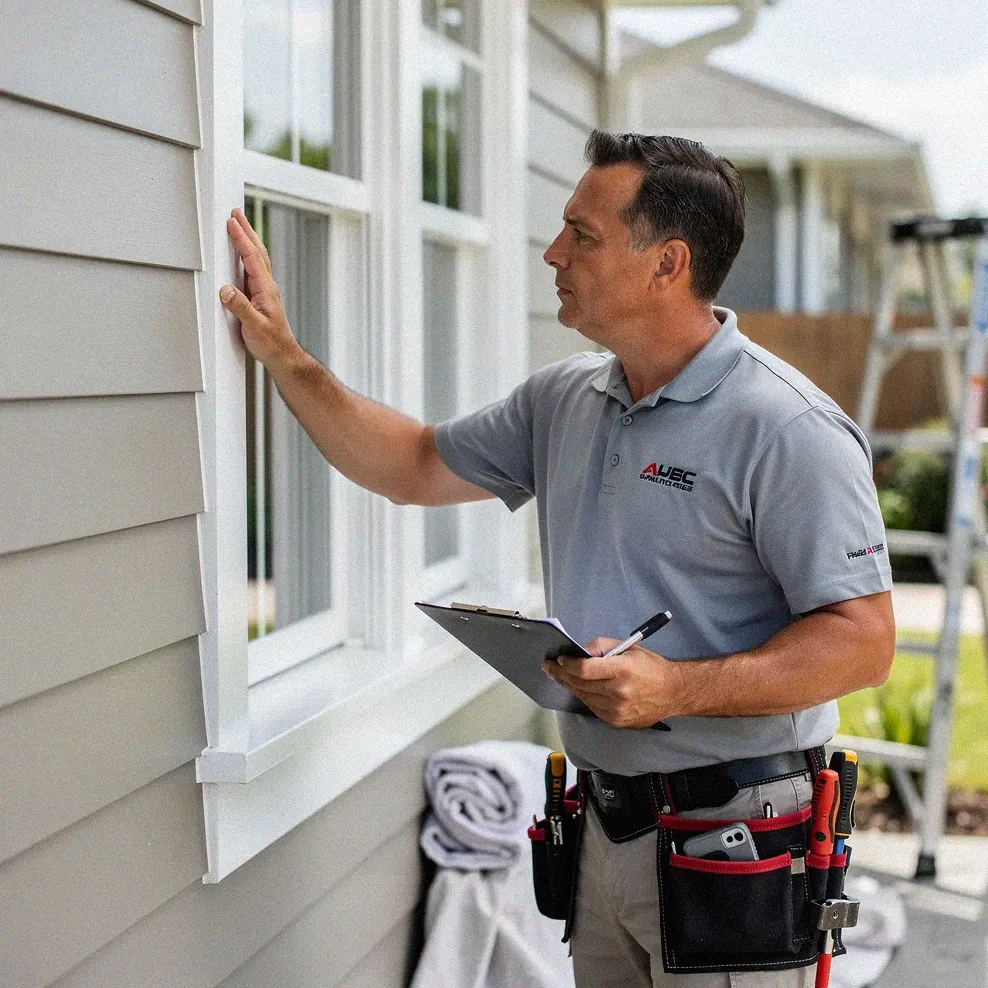
A workmanship warranty typically covers peeling, blistering, premature cracking, and uneven coverage that trace back to how the job was done, not normal aging. If a crew primed over damp wood, skipped a coat, or rushed prep on an older Berkeley home's siding, those are the failures a warranty should catch and fix for free.
Most warranties exclude damage that isn't the contractor's fault: storm damage, physical impact, or moisture intrusion from an unrelated source like a leaking gutter or roof. That exclusion is reasonable. What matters is getting the covered and excluded items spelled out in writing before the crew starts, not after a problem shows up on your siding.
Why Weather Makes This Coverage Matter More Here
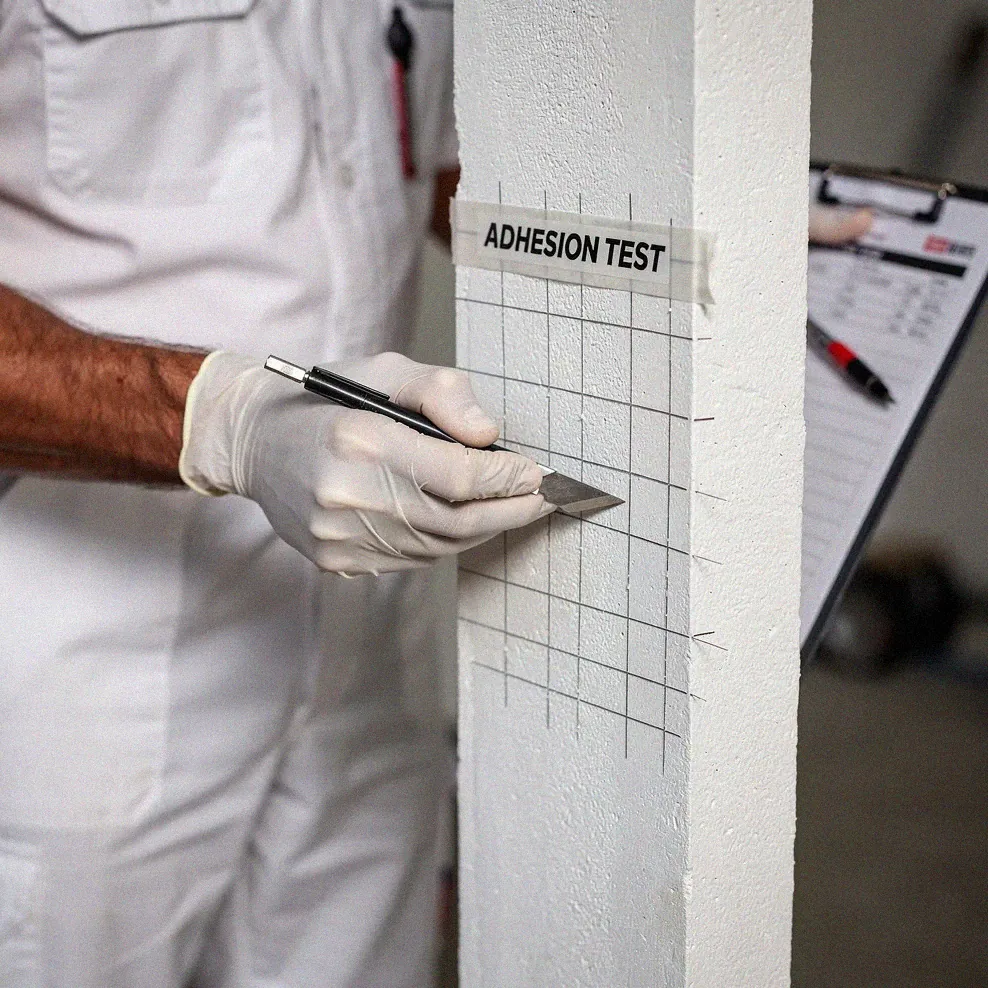
Berkeley's microclimates put more pressure on a paint job than most cities its size. A north-facing wall under mature oaks in the hills can stay damp long after the fog lifts everywhere else, and that's the kind of condition that causes adhesion failure if the surface wasn't fully dry before priming. Flatland homes closer to the bay deal with steady sun that fades color and dries out caulking faster.
A contractor who works across both conditions regularly, and backs the work with a real warranty, has more to lose from cutting corners than one who doesn't. That's worth asking about directly when comparing quotes for exterior painting work in particular, since exterior surfaces carry all of the weather exposure that interior walls never face.
How Long Should a Painting Warranty Last?
Exterior warranties across East Bay painting contractors commonly run one to two years, with a smaller group of established companies offering longer terms once they've built up enough job history to back that confidence. Interior warranties tend to run shorter, usually one to three years, since interior walls don't deal with rain, fog, or UV.
A well-established Berkeley contractor with a long local track record will sometimes back exterior work for four to five years and interior work for two to three, longer than what's typical in this market on both counts. That length of coverage tends to track with how long a company has been doing the work and how much of its own prep process it's willing to stand behind season after season, which applies just as directly to interior painting as it does to exterior jobs.
What to Ask Before You Sign
Get the warranty length and what it covers in writing as part of the estimate, not verbally during the sales visit. Ask whether the warranty transfers if you sell the home within the coverage period, since that can matter to a buyer during inspection. And ask how long the company has been in business locally. A five-year warranty is only worth as much as the odds that the company will still be around to honor it.
Get Warranty Terms With Your Estimate
A written estimate should spell out warranty length, what's covered, and what isn't, before any paint goes on the wall. If a contractor won't put warranty terms in writing up front, treat that as a signal worth weighing alongside price.
Frequently Asked Questions
What does a painting warranty typically cover?
Most workmanship warranties cover paint failures caused by application errors, like peeling, blistering, cracking, or uneven coverage. They generally don't cover normal wear over time, storm or impact damage, or moisture problems that come from something other than the paint job itself, such as a leaking roof or gutter. Ask your contractor for a written list of what's included and what's excluded before signing anything.
Does a painting warranty cover interior and exterior painting the same way?
No. Exterior warranties usually run longer because exterior paint faces sun, fog, and rain that interior paint never does, and failures show up faster when prep or application was rushed. Some established Berkeley contractors back exterior work for four to five years and interior work for two to three, reflecting how much more weather stress exterior surfaces handle in the area's fog-belt and sun-belt microclimates.
What happens if paint fails before the warranty ends?
A reputable contractor sends a crew back to assess the failure and repaint the affected area at no cost, as long as the cause falls within the warranty's terms. Keep your written estimate and any warranty documentation on file, and contact the contractor as soon as you notice peeling, blistering, or cracking rather than waiting, since documenting the issue early makes the claim straightforward.