Quality Craftsmanship: What Separates the Best Painting Company From a Cheap One
Every painting company on this list will tell you they do quality work. The real difference shows up before a single coat of color goes on the wall. If you're trying to find the best painting company for a Berkeley home, the signal to look for isn't the sales pitch, it's how a contractor handles surface prep, primer, clean lines, and the paint products they actually put in the can.
Surface Prep Is Where Quality Starts (or Fails)
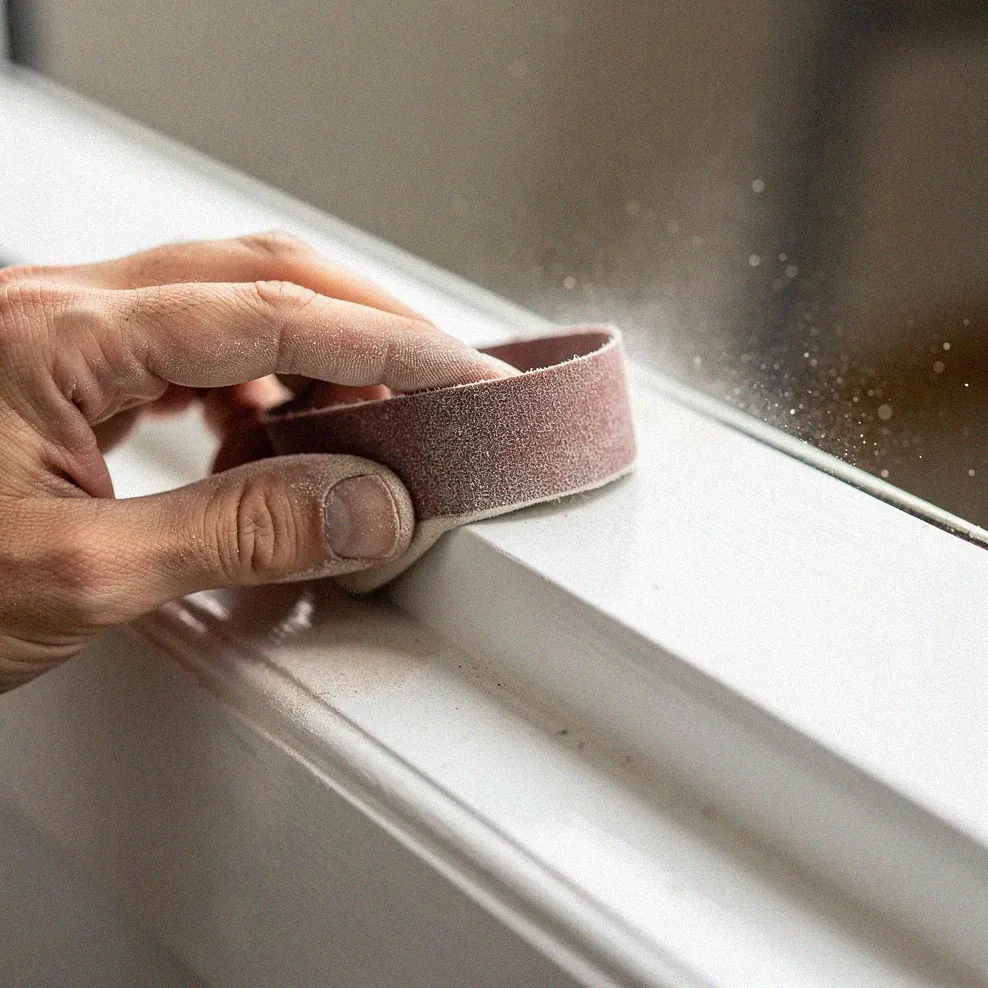
Prep work is the part of a paint job nobody sees once it's finished, which is exactly why budget painters skip it. A quality job means scraping and sanding loose paint down to a stable surface, filling cracks and nail holes, caulking gaps at trim, and washing off dirt and mildew before any paint touches the wall. Skip that step and a fresh coat looks fine for a few months, then starts showing every flaw underneath it.
Berkeley's older housing stock raises the stakes here specifically. A home built before 1978 that still carries its original paint layers needs careful handling, since dry-sanding or scraping without containment can release lead dust into the yard. A painter who rushes prep on a Craftsman bungalow or brown-shingle exterior isn't just cutting corners on quality, they may be skipping a federal work-practice requirement. Our guide to painting Berkeley's Craftsman and Victorian homes covers what proper prep looks like on this kind of architecture.
Primer Coats Aren't Optional, Even When They're Invisible
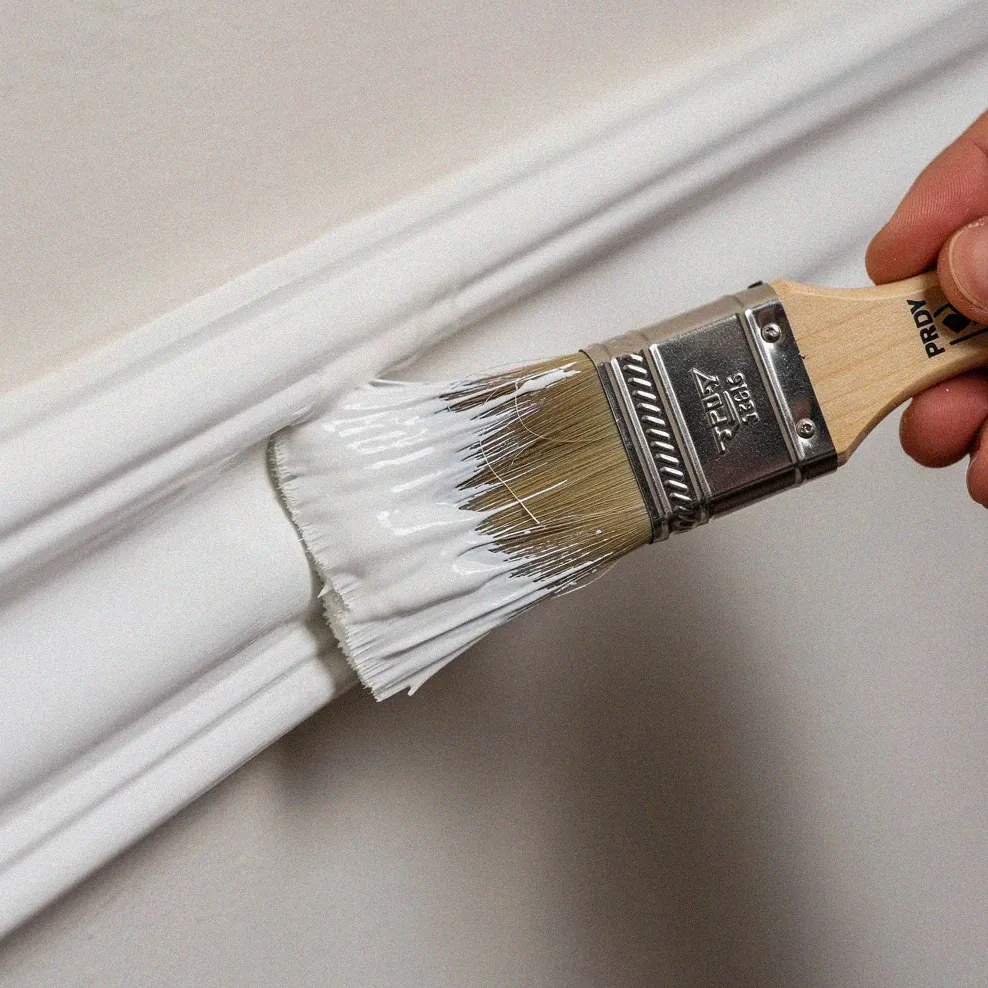
Primer seals a repaired or bare surface so the topcoat cures evenly, and it blocks old color or wood stains from bleeding through. A painter working fast will sometimes stretch one coat of primer over a patch job that needed two, or skip it on a spot repair and hope the finish coat covers it. That shortcut is invisible on day one and obvious within a season, usually as a dull patch or old color ghosting back through.
Older Berkeley homes with plaster walls or original wood trim need this step even more than newer construction, since both absorb paint differently than drywall. A contractor who treats primer as a real step in the process, not a line item to shrink, is doing the part of the job that actually determines how long the paint holds.
Clean Lines Are a Skill, Not a Given
Crisp, straight lines where a wall meets trim or two colors meet take a steady hand and enough time to do properly. Wavy edges, paint bleed under tape, and roller marks left on trim are the fastest way to spot a rushed job, and usually the first thing a homeowner notices once the crew leaves. A Craftsman home with exposed rafter tails, picture rails, and built-in woodwork has a lot more edges to get right than a plain box room, which is exactly where a crew under schedule pressure starts cutting corners.
Product Selection Matters More Than the Color Chip
Not every can of paint performs the same, even in the same color. Higher-grade acrylic paints hold color and sheen longer, resist UV fading, and cover more evenly in fewer coats than a budget line, which matters directly for exterior work exposed to Berkeley's fog-belt moisture and hillside sun. A painting company that consistently uses professional-grade lines like Sherwin-Williams SuperPaint, Benjamin Moore, or Dunn-Edwards, rather than whatever's cheapest that week, is making a decision that shows up years later in how well the finish holds.
Production-Pace Crews vs. Custom-Job Attention
Larger painting companies can run full crews capable of turning around a whole-house exterior repaint on a normal production schedule, and that efficiency is a real advantage when you're trying to get a project done without your household disrupted for weeks. The tradeoff worth asking about before you sign anything is who's actually managing quality on site: does an owner or lead supervisor stay involved from the initial walkthrough to the final coat, or does the crew work unsupervised once the contract is signed?
The contractors worth hiring tend to combine both strengths, a crew fast enough to keep a job on schedule, paired with someone experienced enough to treat each house like a custom job rather than a number on a production calendar. That balance usually shows up in how a company backs its own work: a contractor confident in its prep and supervision will typically offer a multi-year warranty on exterior painting and a shorter but still meaningful term on interior work, since a warranty is a direct bet on how well the crew executed. A track record matters too, so ask how long a company has actually been serving Berkeley, whether its painters carry a valid California C-33 contractor license, and whether the crew holds EPA lead-safe certification for pre-1978 homes, since that certification is a legal requirement on much of Berkeley's older housing stock, not a nice-to-have. A contractor who's upfront about not being the cheapest option in the East Bay, and can explain why the estimate reflects prep time and supervision rather than a bare material markup, is usually one worth taking seriously.
How to Check for Quality Craftsmanship Before You Hire
Ask what the prep process looks like on your specific home, whether primer is a separate step or bundled into "one coat," and which paint brand and line they use. A contractor who answers specifically, rather than in generalities, is usually the one who's thought about quality past the sales pitch. Our guide on how to choose a painting contractor covers the fuller list of questions worth asking before you sign anything.
Frequently Asked Questions
What makes one painting company better than another?
The difference usually comes down to what happens before the paint goes on: how thoroughly the surface is prepped, whether primer is applied as its own step, how carefully lines are cut, and what quality of paint is used. Two bids can look identical on price while representing very different levels of work underneath.
Why does surface prep matter so much for painting quality?
Paint only holds as well as the surface underneath it. Skipping or rushing prep, like sanding, patching, and cleaning, means a fresh coat can look fine at first and then peel or crack within a season as the underlying flaws show back through.
Does it cost more to hire a painter with better prep and materials?
Usually, yes, since proper prep and professional-grade paint both take more time and cost more than a rushed job with a budget-line product. That difference typically shows up as a longer-lasting paint job that doesn't need a full repaint again in a couple of years, which is often the cheaper outcome over time.
title: "Quality Craftsmanship in Berkeley Painting | Prep & Finish Standards"
description: "What separates the best painting company from a budget one: surface prep, primer coats, clean lines, and paint product selection for Berkeley homes."